How to Rank in the Google Map Pack in San Francisco
Why the Google Map Pack Matters for San Francisco Businesses
When someone on Valencia Street searches for a cafe, a plumber, or a dentist “near me,” they rarely scroll through ten blue links first. They look at the map, skim three businesses, check stars and hours, and tap Call or Directions. That shortlist is the local 3-pack (also called the 3-pack). For San Francisco owners, it is often the difference between a phone that rings and a quiet afternoon. If you want to understand google map pack san francisco presence, start with how people actually search here. Mission, SoMa, the Sunset, the Marina, and the Richmond are dense, walkable, and competitive. A customer two blocks away may never see your site if another pin looks more complete, more reviewed, and more relevant. Showing up in Google Maps in San Francisco is less about gaming a scoreboard and more about making your business easy to trust in that tiny map module. This guide explains what that module is, how Google weighs nearby presence, which Profile (formerly Google My Business) signals support Maps presence, how reviews and citations help, and what realistic timelines look like in a city this competitive. You will also see how TrafXMedia Solutions approaches this work when a business wants help connecting Maps signals with a wider plan. Key benefits of a stronger Maps presence:
- Show up when nearby customers are ready to call, visit, or request a quote
- Compete on mobile where map results often sit above classic organic links
- Turn accurate hours, photos, and reviews into faster trust
- Measure direction requests, calls, and website clicks, not vanity screenshots alone
- Align your profile with service pages that match how San Francisco customers describe the job
Key terms / helpful reading: For the broader playbook, see local SEO for small business. For Profile setup and day-to-day levers, use our our Profile guide guide. When you are ready for hands-on help in the city, our Local SEO service in San Francisco page explains how TrafXMedia Solutions works with SF owners.
What the Google Map Pack is (and Why SF Businesses Care)
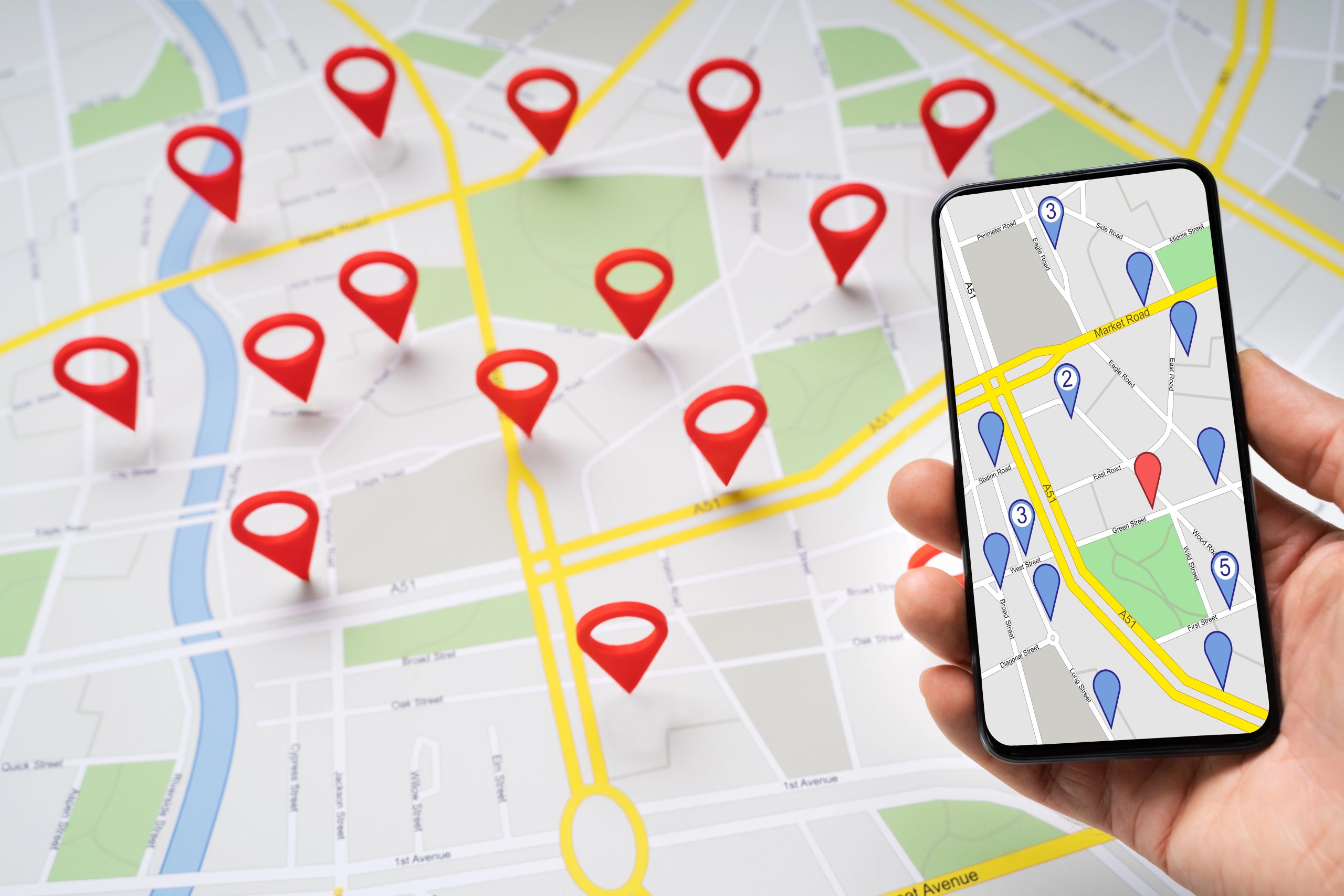
This block is the map-and-places module Google shows for many local searches. It usually includes a map and a short list of businesses (often three) with ratings, categories, hours, and quick actions. It is not the same as scrolling endlessly inside the Google Maps app, and it is not a paid ad unit. Paid local ads can appear nearby, but organic inclusion is earned through relevance, distance, and prominence, not by buying a guaranteed pin.
Map Pack vs Regular Maps Results
Think of two related surfaces. The compact pack appears on Search for local intent. Opening Maps or tapping “More places” can show a longer set of results. San Francisco businesses care about both, but the pack on Search is where many customers make a first shortlist while standing on a sidewalk or sitting in a SoMa office.
Why Density Changes the Game in San Francisco
In a quieter suburb, being “the only plumber nearby” can carry you far. In San Francisco, several strong competitors may sit within a mile of the same Mission or Marina search. Neighborhood reputation, review freshness, category fit, and on-site clarity matter more because Google has many eligible businesses to choose from. That is why thin multi-city templates and keyword-stuffed Profile names fail here. Customers and systems both prefer a clear, honest local presence.
Neighborhood Competition Without Thin City Pages
Mission restaurants, SoMa studios, Marina salons, and Sunset home services each face different competitor sets. Study the businesses that already appear for your main queries. Notice which categories they use, how complete their photos look, and whether their reviews mention the same services you sell. Borrow structure ideas, not claims you cannot support. Do not build thin pages for San Jose, Oakland, or other cities you do not serve just to “cover the Bay.” This article and our work for this cluster stay focused on San Francisco. Depth in the neighborhoods you can actually cover beats a fragile multi-city template.
What “Showing Up” Actually Means for Your Business
Showing up is useful only when it leads to contact. An impression that never becomes a call, direction request, or website visit is incomplete. Track the actions people take from your listing. Then ask whether your hours, photos, services, and landing page make the next step obvious. This work in SF goes best when marketing and operations agree on what a good lead looks like. Neighborhood language helps relevance when it is true. A clinic that truly serves the Richmond and the Sunset can say so in services and on-site pages. A business that only works downtown should not invent West Portal coverage to chase a query. Fake geo reach creates bad leads and weak trust signals.
How Google Ranks Local Results: Relevance, Distance, and Prominence
Google uses a few public ideas rather than a published ranking algorithm. Relevance, distance, and prominence are the groups you can actually work on. Being found still depends on whether your business listing matches the search queries people type into Google search, how close they are, and whether your business information looks trustworthy. Ranking higher is gradual. Ranking on Google is not a product you can buy, and there is no honest way to rank high for every neighborhood at once. San Francisco is especially tight. Google’s local search results can shift as someone walks from the Mission to SoMa. Nearby queries reward a business that is truly nearby and clearly described. The map pack is essential for many ready-to-call searches, but it is one channel, not the whole company. A google map pack is important when the query has local intent. It is not a prize you purchase. Google has publicly described three main local ranking concepts: relevance, distance, and prominence. They are not a secret formula with a public scorecard, and no agency can honestly promise a fixed pin. Still, these three ideas are the clearest framework for improving google maps ranking san francisco over time.
Relevance: Do You Match What the Searcher Asked For?
Relevance is how well your listing and related signals match the query. Categories, services, business description, on-site pages, and the language customers use in reviews all help Google understand what you do. A Richmond bakery that lists pastry and catering clearly will beat a vague “food business” Profile when someone searches for birthday cakes nearby. Write for how people talk in San Francisco. “Emergency plumber,” “same-day locksmith,” and “family dentist near the Marina” are different intents. Your Profile and website should make the match obvious without stuffing every neighborhood into one sentence.
Distance: How Close are You to the Searcher (or the Place in the Query)?
Distance reflects proximity. A search with “near me” leans on the user’s location. A search that names a neighborhood or landmark leans on that place. You cannot fake distance with a virtual office you do not use. Service-area businesses should define coverage honestly. Storefronts should keep the real address accurate, including suite numbers that match the door customers will find. In a city of hills and micro-neighborhoods, two blocks can feel far on foot. That does not mean you ignore customers outside your block. It does mean you should not expect to outrank a well-reviewed competitor sitting on the exact street the searcher is standing on unless your relevance and prominence are meaningfully stronger.
Prominence: How Well Known and Trusted Does Your Business Look?
Prominence is about how established and credible your business appears across the web and in the real world. Reviews, citations, links, brand mentions, and engagement on your Profile all contribute. Prominence is not “buy 500 directory entries overnight.” It is consistent proof that real customers know you, can find accurate details, and choose you. For San Francisco competition, prominence often separates similar businesses in the same category. Two Mission coffee shops may be equally relevant and a similar distance away. The one with clearer photos, fresher reviews, and consistent NAP (name, address, phone) usually looks safer to tap.
Google Business Profile Signals That Support Map Pack Visibility
Your Profile is the primary surface behind Maps and many Search local results. This section is a summary of levers that support that visibility. For the full setup and optimization walkthrough, use our dedicated our Profile guide guide rather than treating this article as a second GBP 101.
Categories, Services, and a Clear Description
Google Business Profile optimization is upkeep. Your Google Business Profile listing should match the Google Maps listing a customer opens: right category, real services, true hours, and photos from the location. Check Google Business Profile Insights for calls and direction requests. A verified Google Business Profile page beats a duplicate created out of frustration. Optimize your Google Business Profile so people can show up in the map results you actually earned, and so a strong profile can be featured in the map pack when it deserves to be. That is different from trying to game a map pack algorithm. Choose a primary category that matches what you actually sell. Add secondary categories only when they are true. List services with plain names customers recognize. Write a description that explains who you help, what you do, and where you work in San Francisco, without turning the name field into a keyword dump.
Photos, Posts, and a Useful Cadence
Original photos of your storefront, team, work, and products reduce uncertainty. Generic stock that could be anywhere rarely helps a Sunset customer decide. Posts can highlight hours changes, seasonal offers, or project updates when you will keep them current. A dead Profile with a last post from 2021 signals neglect.
Hours, Attributes, Messaging, and the Contact Path
Keep regular and holiday hours accurate. Enable messaging or booking only if someone responds quickly. Link to the website page that best continues the conversation for local visitors. If the Profile promises a call, answer the phone. Those clicks die when the next step is broken.
Verification and Ownership Hygiene
An unverified or contested listing is unstable. Finish verification, limit editor access to people who will keep details accurate, and resolve duplicate listings instead of creating new ones out of frustration. Shared mailrooms in older SF buildings can delay postcards. Track the request and escalate through Google’s tools rather than opening a second Profile. If you want help tying Profile work to a wider local plan for San Francisco, contact TrafXMedia Solutions. We focus on practical improvements you can maintain, not ranking guarantees.
Reviews and Engagement That Build Prominence
The number and quality of reviews is a prominence signal customers notice immediately. Positive customer reviews that describe a real job help the next person decide. Ask customers to leave reviews after the work is done, without a script or a reward. Online reviews and Google reviews are public, so reply like a person. Gating or buying them puts the profile at risk. Reviews are one of the most visible prominence signals customers and systems both notice. Quantity matters, but so do recency, specificity, and how you respond. A San Francisco business with twenty thoughtful recent reviews often looks more trustworthy than one with two hundred old, generic five-star lines and no replies.
Ask Ethically After a Clear Success Point
Invite reviews when the customer is satisfied and the path is simple. Never script the star rating, never offer a reward for a positive review, and never filter only happy customers into the ask. A personal request from the person who did the work usually feels more honest than a cold automated blast with no context.
Respond Like a Human
Thank people for specifics. Address concerns without arguing in public. Move detailed problem-solving to a private channel when needed. Future customers in the Marina or SoMa read your replies to see how you handle imperfect days, not only perfect ones.
Engagement Beyond the Star Rating
Questions on the Profile, photo views, and actions from the listing all reflect whether people find you useful. Keep Q&A accurate. Remove or correct outdated answers. Treat Insights as a feedback loop: if people call but do not convert, the issue may be expectation-setting on the Profile or the landing page, not only position in the pack.
Citations, NAP Consistency, and On-Site Local SEO That Support Maps
Local SEO strategies that last are ordinary. Keep local listings accurate, and keep your website and Google Business Profile telling the same story. Local keywords belong on pages about services you really offer. SEO strategies here mean useful pages, not a stack of city names. Search engine result pages for this intent often lead with the pack, then organic search. Google Search Console and Google Analytics can show which pages get the visit after a Maps tap. SEO and content marketing should help that same person. Optimizing your website for local visitors means a clear service, a real coverage note, and a contact path that works on a phone. Optimizing for Google Maps starts with that same honesty. Neighborhood competition is uneven. You can rank in the map pack with steady, honest upkeep. Pack SEO is simply the name people give that work. Visibility in local search results moves faster when hours were wrong or the category was vague. Visibility on Google is not a single rank you can screenshot. Map pack search behavior is “near me” and ready to act. Within the map pack, the click usually goes to the business that looks complete. Local search ranking factors overlap with the rest of your presence. The google local pack still comes back to relevance, distance, and prominence. The google local map pack is the same idea under a longer name. Helping businesses starts with the area you truly serve. You can rank in the google map when the query, the neighborhood, and the profile agree. A service page can still earn classic results without treating every query as a maps query. Map pack ranking factors are not a secret checklist. The signals that show up again and again are the public ones: a clear business listing, consistent details, and reviews that sound like real customers. Maps visibility still will not rescue a listing that names a suite you cannot find. Maps visibility is not Profile-only. The rest of the web and your website should agree on who you are and what you offer.
NAP Consistency Beats Directory Spam
Use one public version of your business name, address, phone, and website URL everywhere you control. Match punctuation and suite numbers. Clean outdated citations on directories, chambers, and industry lists customers actually use. Submitting to hundreds of low-quality directories is not a San Francisco strategy. Accurate presence on the sources that matter is.
On-Site Pages That Match the Profile
Your website should make the same promise the listing makes. Strong service pages explain the problem, your approach, coverage inside San Francisco, and a clear contact path. Neighborhood detail helps when it is real (projects, access notes, local constraints). Thin pages that only swap “Mission” for “Sunset” in a template add little and can dilute trust.
Technical Clarity and Local Helpfulness
Mobile-friendly pages, readable headings, fast loads, and easy tap-to-call matter because many of those clicks happen on a phone between errands. Internal links should point readers from educational guides to the service page that converts. Schema and other technical extras can help machines understand your business, but they do not replace accurate categories, reviews, and useful content.
Realistic Expectations for San Francisco Competition
San Francisco is dense. Categories like restaurants, personal care, home services, and professional services often have many eligible businesses in a small radius. Improvements can show earlier when basics were broken (wrong hours, unverified Profile, missing categories). Competitive neighborhoods and tougher categories usually need consistent work over months, not overnight flips.
What “Progress” Should Look Like
Watch Profile Insights for calls, messages, direction requests, and website clicks. Compare similar periods so one quiet week or a holiday does not panic the plan. Rank screenshots are directional at best. A business can move from rarely shown to occasionally shown, then to more frequent inclusion for the queries that matter, without every keyword sitting in a permanent #1 pin.
Tools and Tracking (Without Obsessing Over Screenshots)
Businesses often ask about tools to track rankings. Profile Insights, call tracking you actually answer, form source notes, and simple CRM tags are usually enough to steer decisions. Third-party rank trackers can show directional pack presence for selected queries and locations, but treat them as supporting evidence. A week of stronger direction requests matters more than a pretty rank chart that does not match the phone.
Timeline Education (Not a Promise)
There is no honest universal deadline. Many Local SEO programs talk about meaningful improvements often showing within about three to six months when fundamentals are fixed and work stays consistent. That is education aligned with how long trust signals and content take to compound. It is not a TrafXMedia guarantee of placement, and results vary by category, competition, and starting point.
Mistakes That Waste Months
Common traps include keyword-stuffed business names, fake addresses, buying reviews, ignoring negative feedback, launching thin city pages for places you do not serve, and measuring only rank charts while the phone goes unanswered. Organic placement cannot be purchased from Google. Ads are a separate product. Confusing the two leads to bad strategy and disappointed owners.
How TrafXMedia Solutions Approaches Map Pack and Local SEO Work
TrafXMedia Solutions is based in San Francisco and works with local businesses on Local SEO, listings, SEO, and related digital marketing. Our approach is collaborative and transparent. We prefer measurable actions (cleaner Profiles, clearer pages, better review follow-up, consistent NAP) over mystery “boosts.” We do not promise positions. We do not sell organic placement. We help you strengthen the signals Google and customers already use, then connect that work to calls, forms, and booked jobs. Engagements are flexible. Long-term contracts are not required to start a conversation. Typical starting conversations cover your Profile state, review velocity, citation cleanup needs, and whether service pages match the queries that already drive impressions. From there we prioritize fixes that reduce friction for real San Francisco customers. Some businesses need Profile repair first. Others need clearer service pages or a review follow-up process the team can keep. The order depends on your gaps, not a one-size checklist sold as magic. If this work needs to sit inside a fuller San Francisco plan, start with our Local SEO service in San Francisco overview, then contact us to talk through your category, neighborhoods, and current listing state.
Frequently Asked Questions About the Google Map Pack in San Francisco
What Does “Google Map Pack” Mean?
It is the map-and-places module Google shows for many local searches, often with a short list of businesses and quick actions like Call or Directions. People also call it the 3-pack.
How Do I Get Into the Google Map Pack?
There is no application form for organic inclusion. Claim and complete a verified Profile, match categories and services to real offers, keep NAP consistent, earn and respond to reviews, and support the listing with useful local pages. Google then chooses which eligible businesses to show based on relevance, distance, and prominence.
How Does Google Decide Which San Francisco Businesses Appear?
Google evaluates how well you match the query (relevance), how close you are to the searcher or place named (distance), and how prominent or trusted you appear (reviews, citations, engagement, and related signals). Exact weighting is not public.
Do Google Business Profile Reviews Affect Map Pack Rankings?
Reviews are an important prominence and trust signal. Fresh, specific reviews and human responses help customers choose you and can support trust. They are not the only factor, and buying or gating reviews violates Google’s rules and risks your listing.
How Long Does It Take to Rank in the Map Pack in San Francisco?
It depends on competition, category, and how complete your starting point is. Educational industry framing often points to about three to six months of consistent improvement for meaningful movement after fundamentals are fixed. That is not a guarantee of placement or a fixed schedule.
Can You Pay Google for Organic Map Pack Placement?
No. You cannot buy an organic ranking. Google offers separate advertising products. Paying for ads does not purchase an organic pin, and TrafXMedia Solutions does not guarantee a pin.
What is the Difference Between Maps Results and the Map Pack?
The pack is the compact local module on Search. Google Maps can show a broader set of places when you open the app or expand results. Optimizing your Profile and local signals helps across related surfaces, but the pack on Search is where many first shortlists happen.
Next Step: Get Help with Local SEO in San Francisco
San Francisco rewards clarity and trust on Maps more than shortcuts. Complete the Profile honestly. Keep hours and photos current. Ask for real reviews and reply like a person. Align your website with the same NAP and the same services. Measure calls and direction requests, then fix the friction that stops a ready customer. If you want a partner to connect this work with a practical local plan, TrafXMedia Solutions is ready to help. We are based in San Francisco, we focus on transparent collaboration, and we will not sell you ranking guarantees or “pay to rank” myths. Ready for a Map Pack plan? Contact Us or email info@trafxmedia.com and tell us your category, the neighborhoods you truly serve, and what the phone and Profile Insights show today. We will help you prioritize the next useful steps for Maps and local search visibility in San Francisco.