
How Startups Can Master Facebook Marketing
Why Facebook Marketing is Essential for Startups
Being a small business owner, especially in a competitive hub like San Francisco, can be an uphill battle. You’re pouring your heart and soul into your product or service, but breaking through the digital noise feels like a monumental challenge. High customer acquisition costs, low website traffic, and limited brand visibility are common and deeply frustrating problems. To thrive, you need clear, personalized, and cost-effective ways to boost your online presence, connect with your target audience, and build a loyal local community.
This is where a robust Facebook marketing for startups strategy becomes indispensable. Facebook is far more than just a social platform for sharing updates with friends and family; it’s a sophisticated and powerful marketing engine designed to help businesses connect with customers, build an authentic brand, and drive measurable sales. With over 2.9 billion monthly active users and nearly 2 billion daily active users, Facebook offers an unparalleled audience size and diversity. This isn’t just a vanity metric; it’s a direct line to potential customers in nearly every demographic and interest group imaginable. Furthermore, the platform has evolved into a hub for commerce and customer interaction. The fact that more than one in two people say they are more likely to shop with a business they can message directly highlights a massive shift towards conversational commerce, an area where startups can excel by offering personalized, immediate communication.
For startups ready to harness the power of Facebook’s advertising ecosystem, understanding the foundational strategies is key. It’s not about having the biggest budget; it’s about being the smartest.
Target Precisely: The true power of Facebook lies in its granular targeting capabilities. You can move beyond basic demographics like age and location to reach users based on their specific interests (e.g., ‘sustainable fashion,’ ‘local breweries’), life events (‘recently moved,’ ‘newly engaged’), online behaviors (‘engaged shoppers’), and connections. This precision ensures your marketing dollars are spent reaching people who are most likely to be interested in what you offer, dramatically increasing your return on investment.
Start Small and Scale Smart: One of the most startup-friendly aspects of Facebook Ads is the ability to start with a minimal daily budget, as low as a few dollars a day. This allows you to enter the ‘learning phase,’ where Facebook’s algorithm gathers data on who responds to your ads. You can test different creatives, messages, and audiences on a small scale, identify what resonates, and then confidently increase your spending on the winning combinations. This iterative approach minimizes risk and maximizes efficiency.
Leverage Compelling Visuals: The Facebook and Instagram feeds are fast-moving, visually-driven environments. To capture attention, your ads must be thumb-stopping. This means investing in high-quality, eye-catching image and video ads that tell a story or showcase your product in a compelling way. A static, boring ad will be scrolled past without a second thought, but a vibrant video or a beautiful carousel of images can stop a user in their tracks and draw them into your brand’s world.
Test, Learn, and Optimize: A ‘set it and forget it’ approach will not work. Effective Facebook marketing is a continuous cycle of testing and learning. By running A/B tests, you can scientifically compare different elements of your campaign—the ad creative, the headline, the audience, the call-to-action—to see which version performs best. Diligently checking your ad performance metrics allows you to make data-driven decisions, turning off what isn’t working and doubling down on what is.
Re-engage Warm Audiences: Not every customer is ready to buy on the first touch. Retargeting is a powerful strategy that allows you to show specific ads to people who have already interacted with your business in some way—perhaps they visited your website, watched a video, or added an item to their cart. These ‘warm’ leads are significantly more likely to convert than a cold audience, making retargeting one of the most effective tactics in your arsenal.
As an experienced SEO strategist and business consultant at TrafXMedia Solutions, we specialize in helping ambitious companies refine their digital footprint, with a core focus on creating effective Facebook marketing for startups. Our expertise is built on three pillars: deep strategic insights into market positioning, strong technical acumen in platform execution, and a holistic understanding of what drives sustainable business growth. We don’t just run ads; we build integrated marketing systems that turn clicks into customers. Let’s explore how these core pillars can transform your startup’s approach to growth.
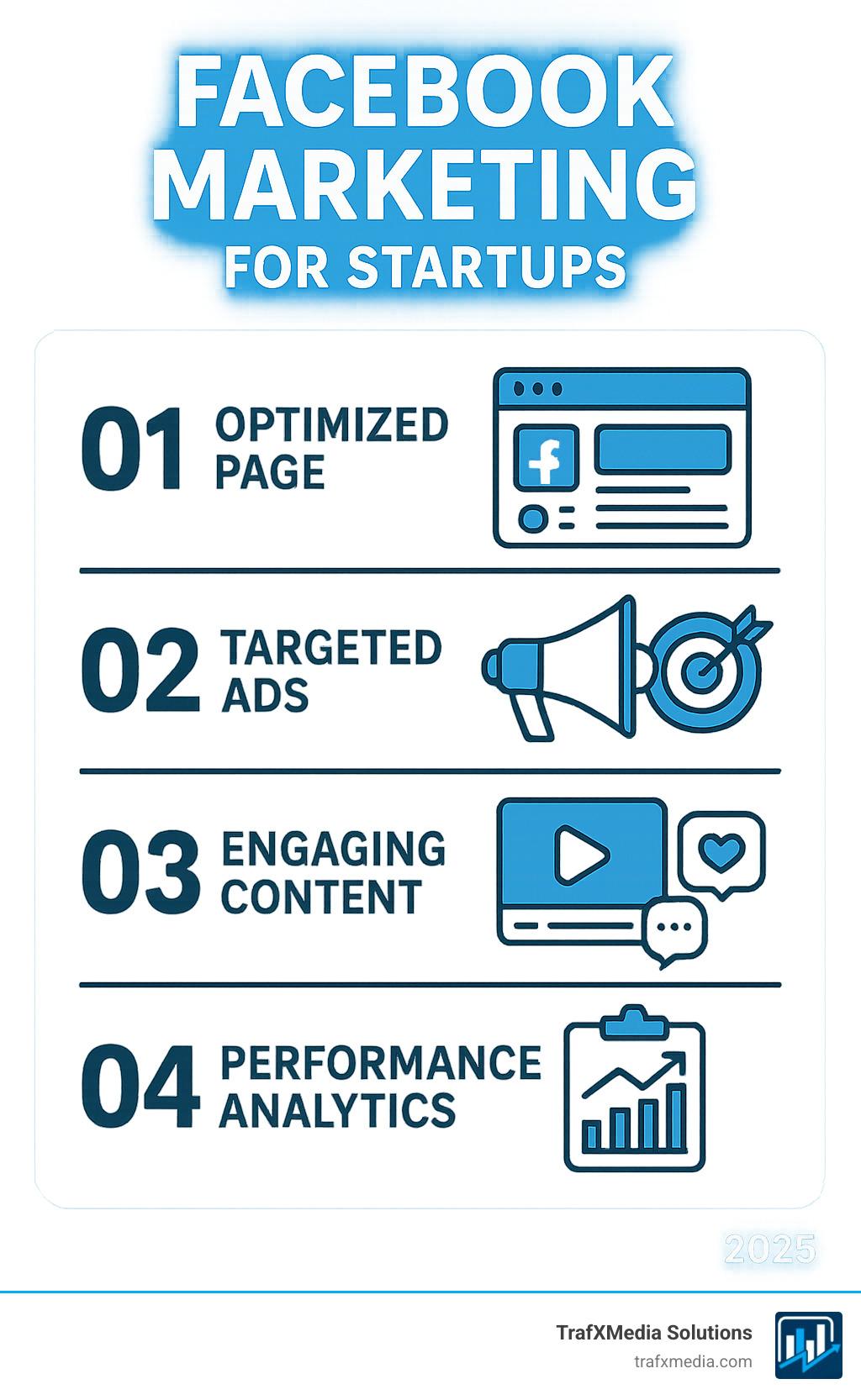
Facebook marketing for startups definitions:
Building Your Foundation: The Perfect Facebook Business Page
Alright, before we dive headfirst into the exciting world of Facebook ads and engagement strategies, let’s talk about getting your home base just right. Think of your Facebook Business Page as your startup’s digital storefront, headquarters, and community hub all rolled into one. It’s often the first impression a potential customer has of your brand, so it needs to be professional, welcoming, and packed with all the essential information they need to trust and engage with you.
Creating your page is a straightforward process, but optimizing it for real success requires care and strategic attention. First, choose a clear and memorable page name. This should ideally be your exact business name to ensure brand consistency and make it incredibly easy for people to find you via search. Then, it’s all about the visuals! Your profile picture should almost always be your company logo. Ensure it’s a high-resolution file, cropped to a square (it will display as a circle), and is recognizable even at a small size. Your cover photo is your digital billboard—prime real estate to showcase your brand’s personality. Use it to feature your products in action, highlight your team, announce a special promotion, or even use a short, engaging cover video. High-resolution, professionally designed assets are non-negotiable here; they instantly signal quality and credibility.
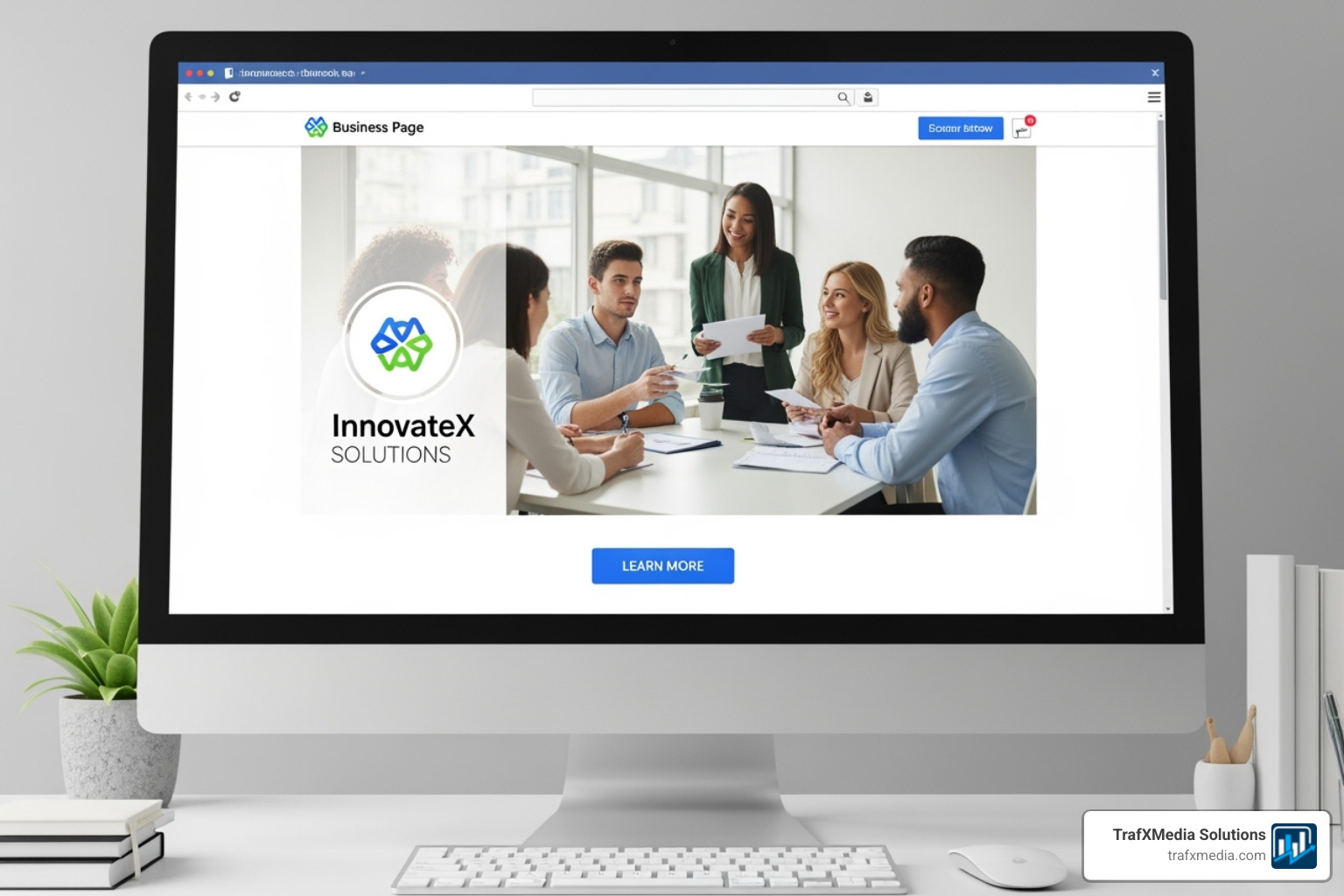
Beyond aesthetics, your page must be a magnet for both users and search engines. This means carefully filling out your ‘About’ section with relevant, keyword-rich information. Think of this section as a mini-website on Facebook, providing all the crucial details about your startup’s mission, value proposition, and offerings. A critical and often underused feature is the call-to-action (CTA) button. Strategically choosing a button like “Shop Now,” “Book Now,” “Contact Us,” or “Learn More” creates a clear and frictionless path for visitors, guiding them to the most important action you want them to take. Finally, we’ll fine-tune your page settings for optimal functionality and consider pinning important posts—like a major announcement or your most valuable piece of content—to the top of your feed so it’s the first thing visitors see.
Setting Up and Optimizing Your Page
A common and critical pitfall for new entrepreneurs is attempting to promote their business from a personal Facebook profile. This is a mistake for several reasons. First, it’s against Facebook’s terms of service. Second, it appears unprofessional. Most importantly, a personal profile lacks the entire suite of powerful marketing tools, analytics, and advertising features that are exclusive to a dedicated Business Page. Creating a Business Page is the first step to being taken seriously on the platform.
To get your page truly humming, you must complete every single section with accurate, compelling, and up-to-date information. An incomplete page looks neglected and can erode trust. Once your page has at least 25 followers, you can claim a vanity URL (e.g., facebook.com/YourStartupName). This custom, easy-to-remember web address is crucial for branding. It looks far more professional on business cards and in email signatures than the default URL with random numbers.
For growing teams, wisely managing page roles and permissions is essential for security and efficiency. Assigning specific roles (like Admin, Editor, Moderator, or Analyst) ensures that team members have the appropriate level of access to perform their duties without giving everyone full control. This prevents accidental changes and keeps your page secure.
Here’s a more detailed breakdown of the essential information to make your ‘About’ section a powerful asset:
- Category: Be specific. Choosing the right category (e.g., ‘Software Company,’ ‘Health/Beauty,’ ‘Restaurant’) helps Facebook understand your business and show it to relevant users.
- Description: You have a short preview (around 255 characters) that appears prominently on your page. Use this space wisely to craft a compelling summary of what you do and for whom. This is your elevator pitch.
- Contact Information: Make it effortless for customers to reach you. Include your website, phone number, and a dedicated customer service email address. Ensure this information is always current.
- Location: For brick-and-mortar businesses, especially a local startup in San Francisco, your address is vital. It enables check-ins and helps you appear in local search results on Facebook.
- Hours: Clearly list your business hours. If you’re an online business, you can select ‘Always Open.’
- Mission/Story: This is your chance to connect on a human level. Share the ‘why’ behind your startup. What problem are you passionate about solving? A compelling brand narrative can turn casual visitors into loyal advocates.
- Products/Services: Use the ‘Services’ or ‘Shop’ tab to clearly list and describe what you offer. This allows users to browse your offerings directly on Facebook, reducing friction in the buying process.
- Impressum (if applicable): This is a legal statement of ownership and authorship, required in certain countries. Check if it’s necessary for your region.
First Steps to Gaining Followers
Once your polished page is ready for visitors, it’s time to build your initial audience. A great first step is to invite your personal Facebook friends to like your page. Be strategic here; invite friends and family who you believe are genuinely interested or would be strong advocates for your brand. This initial traction provides social proof and helps get your page’s visibility off the ground.
Beyond your immediate circle, cross-promotion is your most powerful organic growth tool. Promote your Facebook page everywhere your brand exists. Add social media icons to your website’s header or footer, embed a Facebook Like Box, and include the link in your email signature. Share your Facebook page link on your other social profiles like Instagram, Twitter, and LinkedIn. Don’t forget offline materials—add your vanity URL or a QR code to business cards, flyers, and product packaging.
Finally, actively encourage reviews and check-ins, especially if your startup has a physical location. Positive reviews are digital gold; they are powerful forms of social proof that build immense trust with potential customers. Make it easy for people to leave reviews by asking them via email after a purchase or with a small sign at your location. It’s crucial to respond promptly and professionally to all reviews. A thoughtful response to a positive review shows appreciation, while a calm, helpful response to a negative review demonstrates your commitment to customer service and can often resolve the issue publicly, turning a negative into a positive brand moment. This level of engagement is what sets exceptional Facebook marketing for startups apart from the rest.
Crafting Your Strategy: Essential Tools for Facebook Marketing for Startups
Alright, your Facebook Business Page is looking fantastic—it’s your startup’s welcoming digital front door. Now, let’s swing that door wide open and strategically invite your ideal customers inside. This is where the real magic of Facebook marketing for startups begins: leveraging Facebook’s powerful suite of tools to reach the right people with the right message at the right time.
Think of Facebook Ads Manager as your mission control center for all advertising activities. It’s a sophisticated platform where we build, launch, manage, and analyze every ad campaign with granular control over targeting, bidding, and creative. In contrast, Facebook Business Suite (now Meta Business Suite) is your strategic command dashboard. It provides a higher-level overview, allowing you to manage your Facebook and Instagram presence in one place, schedule posts, respond to messages and comments, and view top-level performance insights. For serious advertising, Ads Manager is non-negotiable, while Business Suite is excellent for daily community management and content planning.
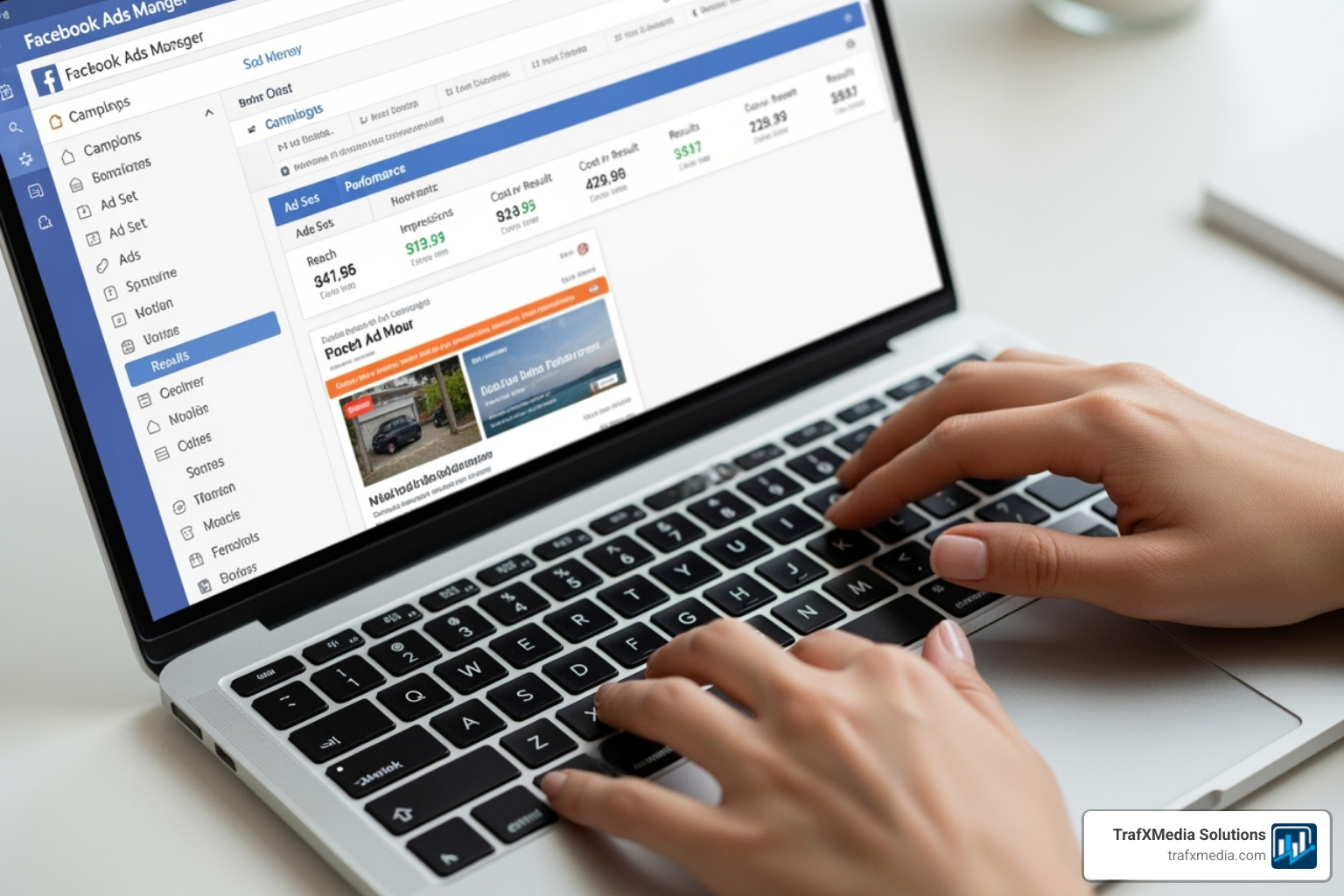
One of the greatest advantages of Facebook advertising for startups is its scalability. You don’t need a massive venture-backed budget to see results. You can start with a small, controlled budget to test the waters, gather data, and let the algorithm learn. As you identify winning strategies, you can incrementally increase your ad spend, ensuring every dollar is invested intelligently and tied directly to your core business objectives, whether that’s brand awareness, lead generation, or e-commerce sales.
A cornerstone of intelligent advertising is the Facebook Pixel (now Meta Pixel). This isn’t just a fancy term; it’s a small snippet of code installed on your website that acts as a powerful analytics tool. It’s the bridge between your Facebook ads and your website activity. The Pixel tracks conversions (like purchases or sign-ups), allows you to build retargeting audiences based on website behavior, and helps Facebook’s algorithm find new users who are more likely to take your desired action. Advertising on Facebook without the Pixel is like flying blind; it’s essential for measuring ROI and optimizing for actual business results.
Understanding Your Target Audience
Before you spend a single dollar on ads, you must have a crystal-clear picture of who you’re trying to reach. Spraying your message to a broad, undefined audience is the fastest way to waste your budget. Effective marketing is about speaking directly to the needs and desires of a specific group of people.
This is where Facebook Audience Insights becomes an invaluable research tool. It provides aggregated, anonymous information about different groups on Facebook, helping you uncover details about your potential customers. You can explore demographics, geographic locations, lifestyle details, page likes (what other brands, publications, and influencers they follow), and purchasing behavior. For example, if your startup sells high-performance athletic apparel, Audience Insights might reveal that your target audience in San Francisco also follows specific fitness influencers, shops at certain competitor brands, and uses particular fitness apps. This data is gold.
We use these insights to build detailed customer personas—semi-fictional representations of your ideal customers. A good persona goes beyond demographics to include pain points, goals, motivations, and media consumption habits. For example, a persona named “Tech-Savvy Tina” might be a 28-year-old software engineer who values efficiency, reads tech blogs, listens to productivity podcasts, and is looking for solutions that save her time. Crafting ads and content that speak directly to Tina’s challenges will be infinitely more effective than a generic message.
Dive deeper into understanding your audience with Facebook’s official guide to Audience Insights.
Advanced Targeting with Custom and Lookalike Audiences
Once you’ve defined your ideal customer, Facebook’s advanced targeting tools allow you to reach them with incredible precision. This is where Custom Audiences and Lookalike Audiences become game-changers for your Facebook marketing for startups.
Custom Audiences are created from your own data, allowing you to reconnect with people who have already shown an interest in your business. This is a warm audience, making them highly effective for conversion-focused campaigns. Types of Custom Audiences include:
- Website Visitors: Using the Facebook Pixel, you can create audiences of people who visited your website, viewed specific product pages, or even abandoned their shopping cart. A classic strategy is to show a cart abandonment ad with a small discount to entice them back.
- Customer List: You can upload a list of customer emails or phone numbers. Facebook will securely match this data to user profiles, allowing you to run campaigns to upsell existing customers or re-engage lapsed ones.
- Engagement Audience: Target users who have engaged with your content on Facebook or Instagram—people who have watched your videos, liked a post, or saved your content. These users are already familiar with your brand and are more likely to respond positively.
Then comes the truly powerful tool for scaling: Lookalike Audiences. After creating a high-quality Custom Audience (your “seed” audience), you can ask Facebook to find new people who share similar characteristics. For example, you can create a Lookalike Audience based on your best customers (from a customer list upload). Facebook’s algorithm will analyze thousands of data points to identify users who “look like” your top buyers in terms of their interests, behaviors, and demographics. This is the single most powerful way to find new, highly-qualified customers at scale, making your ad spend incredibly efficient.
Creating Your First Ad: A Guide to Facebook marketing for startups
With your strategy and targeting in place, it’s time for the creative part: building your first ad campaign. The Ads Manager will guide you through this process, starting with the most important question.
The first step is to choose a campaign objective. This tells Facebook what you want to achieve, and its algorithm will optimize ad delivery to get you that result. Objectives are grouped into three categories that align with the marketing funnel:
| Objective Category | What it Helps You Do | Common Objectives |
|---|---|---|
| Awareness | Generate interest and get your brand seen by the maximum number of people in your audience. Ideal for new startups. | Brand Awareness, Reach |
| Consideration | Encourage people to think about your business and seek more information. This is about getting clicks, views, and engagement. | Traffic, Engagement, App Installs, Video Views, Lead Generation, Messages |
| Conversion | Drive valuable actions on your website or app. This is about turning interest into tangible business results. | Conversions, Catalog Sales, Store Traffic |
After selecting your objective, you’ll choose your ad format. Facebook offers a variety:
- Image Ads: Simple and effective. Use a single, high-quality, compelling image. Best for clear, concise messages.
- Video Ads: The most engaging format. Short-form video (under 15 seconds) excels in Stories and Reels, while longer videos can tell a deeper brand story in the feed.
- Carousel Ads: Showcase up to 10 images or videos in a single, scrollable ad. Perfect for displaying multiple products, features, or steps in a process.
- Collection Ads: A mobile-only format that pairs a primary video or image with a collection of product images from your catalog, creating an instant storefront experience.
Next, craft compelling ad copy. Your text should be clear, concise, and customer-centric. Focus on the benefits, not just the features. Use a strong hook to grab attention and a clear call to action (CTA) to tell the user exactly what to do next (“Shop Now,” “Learn More,” “Sign Up Today”).
Your thumb-stopping visuals are arguably the most important element. In a crowded feed, your creative needs to stand out. Use bright colors, human faces, and clean, relevant imagery. Design for mobile-first, with vertical aspect ratios (9:16) for Stories/Reels and square (1:1) for the feed performing best.
Finally, accept A/B testing. Never assume you know what will work best. Systematically test one variable at a time to see what improves performance. You can test your creative (e.g., image A vs. image B), your copy (e.g., short headline vs. long headline), your audience (e.g., Lookalike vs. interest-based), or your CTA. Continuous testing is the key to refining your Facebook marketing for startups, lowering your costs, and maximizing your return on ad spend.