
Local SEO vs Traditional SEO: What San Francisco Businesses Need
Picture two San Francisco owners. One runs a small coffee spot in the Sunset and wants more foot traffic. The other runs a SoMa software company and wants more online signups. Each one says “we need SEO.” Each one is right. But the work they need is not the same.
This guide lays out the key differences between local SEO and traditional SEO. You will learn what each one means, where they split, and how to pick the right one.
Quick answer: Local SEO helps local customers find you on Google Maps and in nearby results. Traditional SEO helps people anywhere find your site in organic search for wider topics. If you serve people in person in San Francisco, start with local SEO. Over time, you will gain from both.
Understanding Local SEO: What It is and How Local SEO Works
Local SEO is search engine optimization for people who search with a place in mind. It helps you appear in local search results and grow your local visibility. Some people name the place, like “dentist in San Francisco” or “tacos in the Mission.” Others just add “near me.”
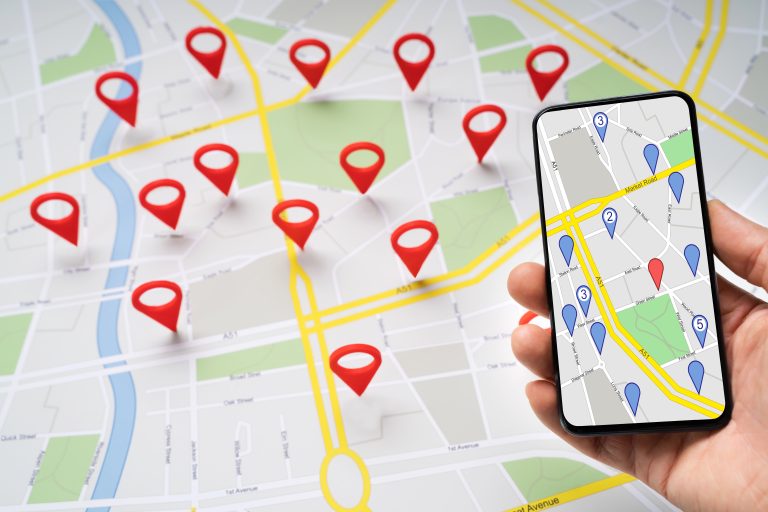
When a search has local intent, Google often shows a short list of shops in a local pack. That list comes with a map and star ratings. Your goal is to land in that list and stand out as the best pick.
These are the main parts of local SEO:
- Google Business Profile. This is the listing for your shop that shows on Google Search and Maps. It holds your business information, such as opening times, pictures, and ratings. Our Google Business Profile guide covers the setup steps.
- Local keywords. The words people type along with a place, such as a neighborhood name or “San Francisco.”
- Local citations. Your name, address, and phone shown the same way in local directories and other local listings.
- Customer ratings. Real feedback from buyers, plus the way you answer it. This is called review management.
- Place clues on your site. Show your street address and the zone you cover. Build local pages for each geographic area where you work.
Google lists three main things behind its local results. They are relevance, distance, and popularity. Google’s own page on how to improve your local ranking explains more.
What is Traditional SEO (Also Called Organic SEO)?
Traditional SEO, also called organic SEO, aims to grow a website’s visibility on a national or global scale. It helps your pages rank in the regular search engine results, wherever the searcher sits. A reader in another state can find your guide as easily as a neighbor can.
Traditional SEO focuses on your site itself. Organic SEO involves optimizing these parts:
- Keyword research. Learning the words and questions your buyers type into a search engine.
- Content creation. Writing pages and posts that answer those questions well.
- Site health. Pages that load quickly, look good on phones, and are easy for a search engine to crawl.
- Schema markup. Extra code that tells search engines what each page covers.
- Meta tags. The page title and meta description that show on the search engine results page.
- Backlinks. Trusted sites that point people to yours.
Google’s own SEO Starter Guide is a good primer on these SEO fundamentals.
Local SEO vs Traditional SEO: Key Differences Side by Side
Both try to win more traffic from a search engine and improve visibility. What sets them apart is the audience you want and the spot where you want to rank. Local SEO strategies optimize for one geographic area. National SEO aims at a much wider one. Here is a quick look at how they compare.

| Factor | Local SEO | Traditional SEO |
|---|---|---|
| Target Audience | People near your business or service area | People anywhere |
| Search Intent | Ready to visit, call, or book soon | Often researching or comparing |
| Where You Show Up | Google Maps and local results | Regular search engine results |
| Keyword Research | Local keywords with places and “near me” | Broad topic and question keywords |
| Content Strategy | Service and neighborhood pages, local news | Guides, how-tos, and in-depth articles |
| Landing Pages | One page per service or area you serve | Pages built around topics and products |
| Link Building | Local citations, local groups, community engagement | Links from respected sites in your field |
| How You Track Results | Calls, direction requests, profile clicks | Organic traffic, keyword rankings, conversions |
Results also show up in a different spot. For many nearby searches, Google puts a map with a few shops (the map pack, or local 3-pack) near the organic results. Our guide to the Google Map Pack in San Francisco explains how it works.
How Local Search Intent Differs from Organic Search
Intent means what the searcher plans to do next. It is the best clue to which kind of SEO counts most for you.
Let’s compare a pair of searches. At 7 PM, a Noe Valley renter types “plumber near me.” We call that local search intent.
Next, someone types “how to fix a leaky faucet.” They could live in any city. They want to learn, not hire, at least for now. We call that informational intent. Organic SEO is how a helpful post reaches them.
Either search can end in a sale, but the first one is much closer. Wider searches build trust early, so the reader may come back to you later.
Where Local SEO and Traditional SEO Win and Fall Short
When a Local SEO Strategy Wins
Local SEO is ideal for businesses with a physical location, or for teams that go to the buyer. Think of cafes, salons, clinics, gyms, and corner shops. It also suits any business serving a service area, such as movers, cleaners, and builders who work all over San Francisco. For them, a strong Google Business Profile and good ratings can bring local traffic, calls, and visits.
Distance is the catch. Google’s local algorithm looks at how far a shop is from the searcher. A store in the Richmond will struggle to rank for a person in the Bayview, even with a great profile.
When National SEO Wins
Traditional SEO is the best fit when your buyers are not tied to one place. That covers online businesses, software, and any product or service you deliver by video or by mail.
Here the catch is rivals. Wide searches draw in national brands and big media sites. So organic rankings take steady SEO efforts.
Should You Pick Local SEO, Traditional SEO, or Both?
Answer each of these with yes or no:
- Do buyers come to your shop, or do you go to them?
- Do most of your buyers live or work in San Francisco?
- Do people look for your service with a place name or “near me”?
- Do you sell to people outside San Francisco?
- Do buyers need to learn a lot before they pick you?
Yes to the first three? Then you need local SEO first. Yes to the last two? Then traditional SEO counts for more. Businesses with multiple locations often need both.
For most local shops, the plan is plain. Start with local SEO to win nearby searches. Then add traditional SEO posts over time to reach people sooner and earn trust.
Picking the wrong focus costs you. You can sink time and money into ranking for searches that never bring in buyers.
Not sure which one your business needs? Tell us about your business and we will help you choose a plan that fits.
How Traditional SEO and Local SEO Strategies Support Each Other
These two are teammates, not foes. Both stand on one base, a sound website. Local SEO is a layer you build on top.
Good service pages lift your local search ranking and your organic search ranking at once. A clear page for each service tells Google what you offer. Useful posts, such as notes on local events, can earn links from other sites.
Local signals grow your local presence. Ratings prove that real people trust you. Our Google reviews strategy guide shows how to earn more of them. Citations repeat your name, address, and phone across the web. Our local citations and listings checklist walks through that part.
The best results tend to come from doing both well. If you want one team to run both, see our Local SEO services in San Francisco.
How to Measure Local Search Visibility and Organic Rankings
Local SEO: To track your local search presence, count the calls, map direction taps, and site clicks that come from your Business Profile. Also check your local rankings. See if you show in the map pack for the searches you care about.
Traditional SEO: To check how you do in organic search, track organic traffic, keyword rankings, click rates, and form fills. Google Search Console shows how often your pages show up and get clicked. Google Analytics reports what people do after they land on your site.
Most businesses typically see gains in 3 to 6 months. That is a common range, not a promise. Each market is different.
Key Takeaways on SEO and Local SEO
- Local SEO helps local customers find you on Google Maps and in nearby results.
- Traditional SEO helps people anywhere find your site for wider topics.
- Intent is the main clue: ready to act close by, or still learning.
- Most San Francisco businesses that serve people in person should focus on local SEO first.
- Both rest on one base, a strong site. They work best as a pair for any local business.
Common Questions on Local SEO vs Traditional SEO
How is SEO Different from Local SEO?
The main difference between local SEO and traditional SEO is reach. Traditional SEO targets people searching from any place. Local SEO helps you show for searches with local intent, like “near me” or a neighborhood name. It adds a Google Business Profile, local citations, and ratings on top of normal site SEO.
Is Local SEO Worth It for a Small Business?
For most small businesses that serve people in San Francisco, yes. A local search often comes from a person ready to call, book, or stop by. Showing up for them can bring in buyers who are close and ready to act.
Is Local SEO Still Useful Today?
It is. Google still shows maps and shop listings for nearby searches. The basics have not changed. Be relevant, keep your details correct, and earn trust from real buyers.
What Are the Main Kinds of SEO?
Many experts sort SEO into four groups. On-page work deals with your words and meta tags. Off-page work deals with links and mentions on other sites. Technical work deals with load speed, crawling, and site layout. Local work deals with how you show in nearby results.
Which SEO Strategies Help Businesses in San Francisco Most?
It depends on how you serve buyers. If people come to you, or you go to them, a local SEO strategy is usually the place to start. If you sell online or across the country, traditional SEO typically counts for more. Many San Francisco businesses do best with local SEO first, then traditional SEO over time.
How Do Customer Ratings Affect Local SEO?
Ratings help in two ways. First, they help searchers trust you. Second, Google says your rating count and stars are part of how well known your business looks. That can lift your local ranking. Ratings sit on your profile, so our Google Business Profile guide is a good first stop.
When Will SEO Start to Show Results?
Most businesses typically see results in 3 to 6 months. That range is common, not certain. It depends on your market and where you start.
Next Step: Talk with TrafXMedia Solutions
Some San Francisco businesses need local SEO now. Others need traditional SEO, or both. TrafXMedia Solutions is a San Francisco agency that helps owners find the right plan and put it to work. We optimize for local search, organic search, or both. Our terms are flexible, with no long-term contract required. Contact TrafXMedia Solutions to talk about your goals.